

Effluent Storage Solutions for Dairy Farms
Flexible, Reliable Effluent Storage Designed for Your Farm
Put your herd's effluent to work for you!
Effluent storage is the foundation of a well-managed dairy effluent system. The right storage provides the flexibility to irrigate when conditions are suitable, protects soils and waterways, and allows valuable nutrients to be utilised where and when they provide the greatest benefit.
At Effluent & Irrigation, we design and deliver effluent storage solutions suited to your farm, site conditions and management requirements. From new storage facilities through to upgrades of existing systems, we help you create practical solutions that improve efficiency, reduce risk and support long-term compliance. Get in touch for a free chat to discuss your options.
Why Effluent Storage Matters
Effective effluent storage enables deferred irrigation — allowing effluent to be stored when conditions are unsuitable and applied when the soil and pasture can safely utilise the nutrients
Adequate storage can help:
-
Reduce the risk of runoff and ponding
- Protect soils and waterways
-
Improve nutrient utilisation
-
Provide greater flexibility around irrigation
-
Reduce the pressure of irrigating during unsuitable conditions
-
Support regional council compliance and good management practices
-
Improve the overall efficiency of your effluent system
The goal isn't simply to have enough storage. It is to have storage that provides the right level of flexibility for your farming operation.
Don't Work for Your Pond
Make It Work for You
Good effluent storage should make farm management easier, not create another job.
Having sufficient storage gives you the flexibility to hold effluent during wet or unsuitable conditions andthen irrigate when soils and pasture are ready. It can also allow irrigation to be carried out in planned, high-volume periods rather than turning effluent irrigation into a daily task.
The right storage solution can improve labour efficiency, make better use of nutrients and give you greater control over your effluent system.
Every farm is different, so understanding the environment, infrastructure and requirements of your individual farm is essential to getting the storage design right.
Accurate Effluent Storage Sizing
Getting the storage volume right is critical.
Too little storage can restrict your ability to irrigate when conditions are unsuitable, potentially increasing environmental and compliance risk. Overbuilding, however, can add unnecessary capital cost.
We help you understand the storage capacity that best suits your farming business, using recognised industry calculation methods and considering factors such as rainfall, soil type, effluent production, irrigation capability and farm layout.
This provides a sound basis for designing storage that is practical, cost-effective and fit for purpose.
Choosing the Right Effluent Storage Solution
There is no single best effluent storage solution for every farm.
Ponds, tanks and bladder systems all have their advantages, and the difference in capital cost, performance and suitability can be significant. The right choice depends on your individual site and requirements.
We consider factors such as:
-
Groundwater levels
-
Soil and ground conditions
-
Availability of suitable on-farm construction material
-
Available space
-
Flat or sloping sites
-
Natural fall and pumping requirements
-
Required storage volume
-
Existing effluent infrastructure
-
Future farm requirements and flexibility
.png)
Effluent Ponds
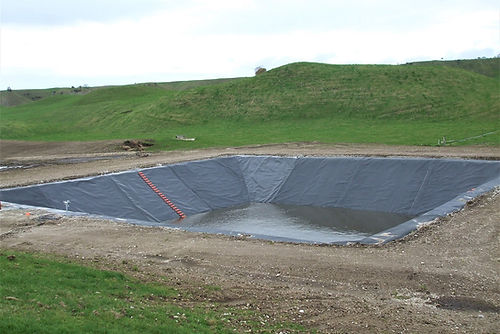
Effluent ponds are a widely used and cost-effective storage solution for dairy farms. Depending on the site, ponds can be constructed in-ground or above-ground and appropriately lined to provide secure containment.
Good pond design can improve accessibility, simplify management and integrate effectively with the rest of your effluent irrigation system.

Effluent Tanks
Tanks provide a robust and secure storage option and can be particularly useful where space is limited, groundwater levels are high, or site conditions make pond construction difficult.
Concrete and panel tank systems can provide fully contained storage while offering predictable performance and a long service life when properly designed and constructed.
.png)
Effluent Bladders
Bladder storage provides a flexible, enclosed storage option that can be particularly useful in certain site conditions or where a low-profile storage solution is preferred.
Because bladder systems are enclosed, they can also reduce additional rainfall entering the storage facility
Good Design Can Save You Money
Storage design is about much more than calculating a volume and choosing a construction method.
A high water table, limited construction materials, a sloping site, difficult ground conditions, or a lack of natural fall can all have a significant impact on the cost and performance of an effluent storage facility.

Understanding these factors early in the design process can identify opportunities to reduce construction costs, simplify operation, and improve the working life of the storage system.
Our role is to help you understand the options and make an informed decision about what is right for your farm.
Our Approach to Effluent Storage
We focus on the whole system rather than simply supplying a storage facility.

Understand your requirements
We work with you to understand your farming operation, existing infrastructure, future requirements andthe level of flexibility you want from your effluent system

Get the storage volume right
We help determine the storage capacity required to suit your farm, taking the relevant site and operatingconditions into account.

Select the right solution
We assess the available storage options and construction methods to identify a solution that balancesperformance, cost and long-term practicality.
Reduce risk and maximise value
Good design can reduce unnecessary capital expenditure while improving the reliability, efficiency andenvironmental performance of your effluent system.
Regional Experience
Across New Zealand

Our experience is particularly strong across Waikato and the Bay of Plenty, where we work with dairyfarmers on effluent storage, irrigation and complete effluent management systems.
Every region and every farm presents different challenges. Local rainfall, soil conditions, topography, groundwater and regulatory requirements can all influence the right solution.
Our approach is therefore not based on a standard system. We assess the individual farm and develop a solution suited to its conditions and requirements.
Whether you're in Waikato, the Bay of Plenty or elsewhere in New Zealand, we can help you assess your effluent storage options
Why Choose Effluent & Irrigation?
We specialise in effluent and irrigation systems, giving us a broader understanding of how storage needs towork alongside irrigation, pumping and overall effluent management.
We can help with:
-
Effluent storage assessment and design
-
Storage volume calculations
-
Ponds, tanks and bladder systems
-
Effluent irrigation systems
-
Upgrades to existing systems
-
Integration of storage with existing infrastructure
-
Practical advice on construction and system performance
Our focus is on creating systems that work for your farm — not simply installing infrastructure.
Don't work for your pond. Make it work for you.
If you're planning new effluent storage or considering an upgrade to an existing system, talk to us early in the process.
Frequently Asked Questions
How much effluent storage do I need?
Storage requirements depend on factors including rainfall, soil type, farm size, effluent production, irrigation capability and the level of flexibility you want from your system. We can help determine the appropriate storage volume for your farm using recognised industry calculation methods.
What type of effluent storage is best for my farm?
There is no one-size-fits-all answer. Ponds, tanks and bladder storage all have different advantages. Site conditions, available materials, groundwater, topography, storage requirements and budget should all be considered before deciding on the most appropriate solution.
Why is effluent storage important?
Adequate storage allows effluent to be held when soils are too wet, or conditions are unsuitable for irrigation. This provides greater flexibility, reduces the risk of runoff and ponding, and allows nutrients to be applied when they can provide the greatest benefit.
Do effluent storage requirements vary between regions?
Yes. Regional council rules and expectations can differ, so storage design should take the requirements relevant to your location into account. We have extensive experience working in Waikato and the Bay of Plenty and can assist farms throughout New Zealand.
Can you help with an existing effluent storage system?
Yes. We can assess existing storage and help identify opportunities to improve capacity, reliability, irrigation flexibility and overall system performance, whether you're upgrading an existing farm system or planning new infrastructure.
Talk to the Effluent Storage Specialists
Planning new storage or considering an upgrade?
Talk to Effluent & Irrigation about a storage solution designed to work for your farm.
Effluent & Irrigation
Design • Supply • Install
027 292 6218
info@einz.nz
Or leave a message on our contact form, and we'll get back to you as soon as we can

Effluent and Irrigation DesignTM provide an independent consultancy service that analyses your specific farming needs & current process to design the ideal system to suit your land and the way you farm.